Should You Call the Police for a Parking Lot Fender Bender in Texas?
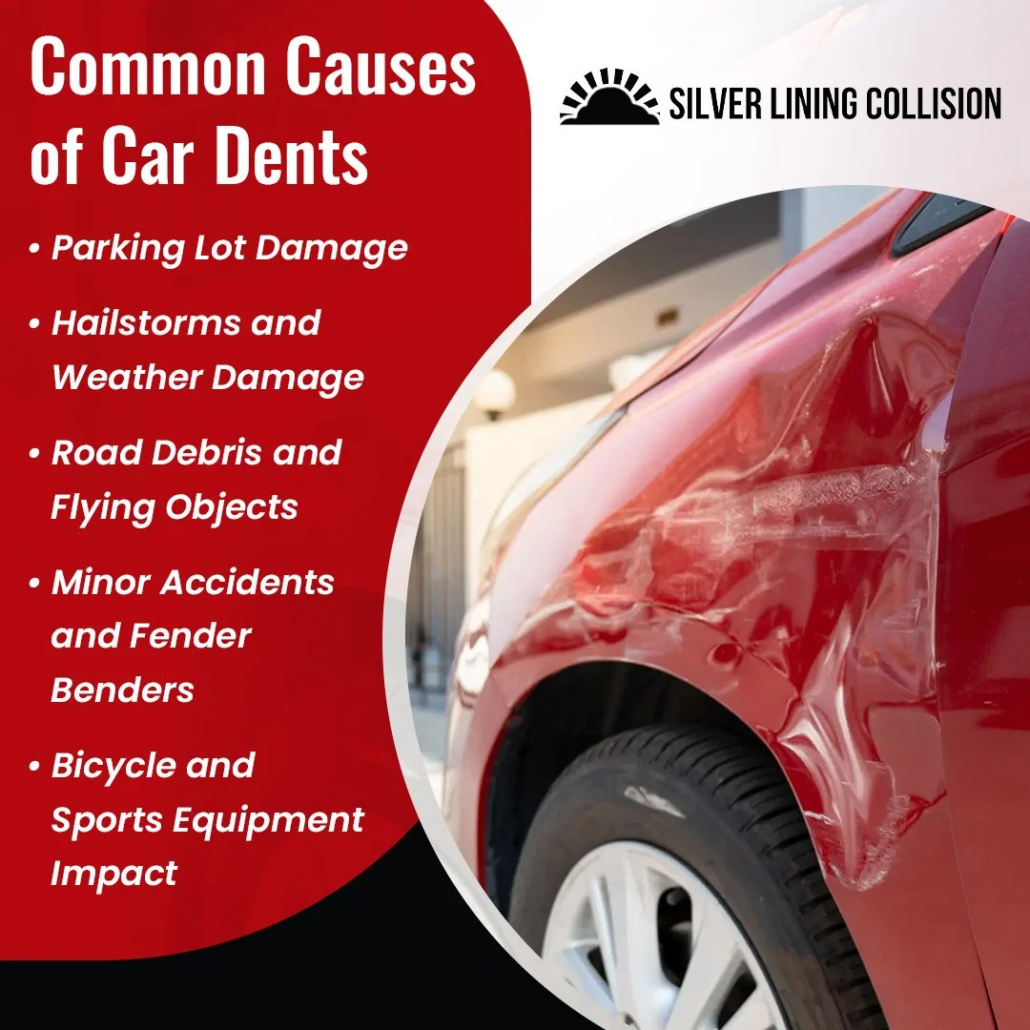
Most fender benders happen in parking lots, and most of them are not reported to police. Police in Dallas-Fort Worth and Houston often will not respond to a no-injury crash on private property, and when they do, they may not file a crash report. That does not make the crash informal. Texas law still requires both drivers to stop, exchange information and, if a vehicle is unattended, leave a note. Here is how to handle a lot collision so the repair and the claim go smoothly.
What Texas law requires
- Stop and stay at the scene.
- Exchange name, address, registration and insurance information with the other driver, and show your license if asked.
- If you hit an unattended vehicle, make a reasonable effort to find the owner and, failing that, leave a note with your name, address and the circumstances, securely attached to the vehicle.
- Leaving without doing this is a hit-and-run offense in Texas even on private property.
When to call the police anyway
- Anyone is injured.
- The other driver is uncooperative, impaired, or refuses to share information.
- The other driver leaves.
- The damage is significant or a vehicle is undrivable.
- You suspect the other driver’s insurance is not valid.
Even when officers will not respond, calling creates a record of the call and the time, and a non-response is itself useful to note for the insurer.
Documenting it yourself
Without a police report, your photos and notes are the record:
- Both vehicles where they stopped, from several angles, showing lane lines, parking space markings, signs and any stop signs or arrows.
- All damage on both vehicles, close and wide.
- The other driver’s plate, license and insurance card.
- Any witnesses’ names and numbers.
- A note of the time, the store or address, and any security cameras you can see; stores often keep footage for a limited time, so ask quickly.
How insurers assign fault in a lot
Common patterns:
- Backing out of a space into a vehicle in the lane: the backing driver is usually at fault.
- Two vehicles backing into each other: often shared fault.
- Pulling into a space and hitting a parked car: the moving driver.
- A vehicle in a through lane hitting one pulling out of a feeder lane: often the feeder-lane driver.
- Door dings and opened doors: the door opener.
Photos showing positions and markings decide these; without them it is one word against another.
The other driver left a note, or did not
If you find damage and a note, call the number, photograph the note and the damage, and report it to your insurer with the other party’s information. If there is no note, it is a hit-and-run; report it to police (a report may be required for a comprehensive or uninsured-motorist claim) and check for cameras.
Filing a claim or paying out of pocket
A bumper scuff may cost less than your deductible; a cracked cover with sensor damage will not. Get an estimate before deciding. If the other driver is at fault, their insurer pays with no deductible, and the repair should be complete, including scanning and calibration of any sensor in the bumper.
“Minor” is a word to be careful with
Parking lot speeds are low, but modern bumpers hide sensors, radar and absorbers, and a low-speed hit can misalign a radar or damage a sensor with no visible sign. Our estimators scan vehicles after lot hits for that reason.
Estimates for lot damage
Silver Lining Collision’s Dallas, Arlington, Fort Worth and Houston shops provide estimates and handle both insured and out-of-pocket repairs, with free pick-up and drop-off. Call Dallas (214) 242-8727, Arlington (817) 618-2705, Fort Worth (817) 615-9575 or Houston (832) 991-8979, or read about paintless dent removal for door dings.

