Does Filing a Claim Raise Your Rates in Texas? At-Fault, Not-at-Fault and Comprehensive
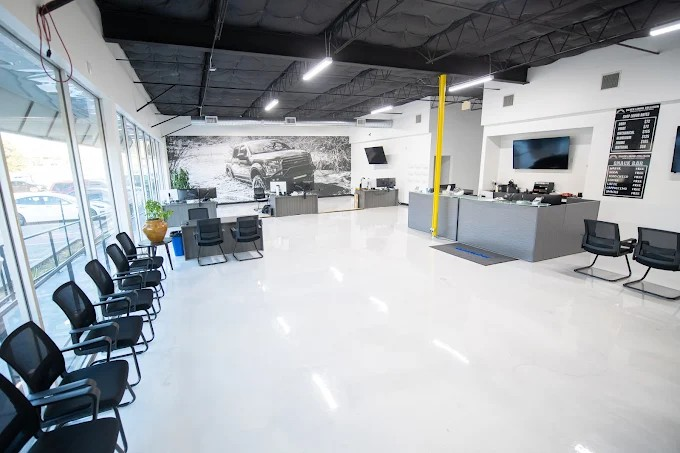
Filing a claim can raise your insurance premium, and whether it does depends on three things: who was at fault, which coverage pays, and your history with the insurer. At-fault collision claims commonly raise rates at the next renewal; not-at-fault and comprehensive claims usually do not on their own, though a pattern of claims can. Silver Lining Collision does not set your premium, but the question comes up at the estimate counter every day, and here is how it generally works in Texas.
At-fault collision claims
A claim where you caused the crash is the one most likely to raise your rate, often for three years at renewal. The size of the increase depends on the insurer, the claim amount, your driving record and whether you have accident forgiveness. This is the claim that makes a small repair worth paying for yourself if the cost is near your deductible.
Not-at-fault claims
When another driver caused the crash and their insurer pays, your rate generally should not rise because of it. Some insurers consider any claim activity in pricing, so a not-at-fault claim can occasionally have a small effect, particularly combined with other claims. Texas does not prohibit insurers from considering not-at-fault accidents in rating, so ask your agent how your company handles them. Filing on your own collision coverage and letting your insurer subrogate is usually recorded as not-at-fault once fault is established.
Comprehensive claims
Hail, animal strikes, theft, vandalism, flood and falling objects are comprehensive claims and are generally treated as events outside your control. A single comprehensive claim rarely raises rates; several in a short period can. After a regional hail storm, insurers expect a wave of claims and price the region, not the individual.
Claim history and frequency
Insurers weigh frequency heavily. Two or three claims of any type in a few years can raise rates or affect renewal more than one large claim. This is the strongest argument for paying out of pocket for very small repairs and saving claims for real losses.
Accident forgiveness
Many insurers offer accident forgiveness as a policy feature or a loyalty benefit, waiving the surcharge for a first at-fault accident. Check whether you have it before deciding to file.
How long it lasts
Surcharges typically apply for three years from the claim date, declining or ending at the renewal after that. Moving insurers does not erase the record; the claim history follows you through industry databases.
Deciding whether to file
- Get an estimate first. Silver Lining Collision’s estimators give you the repair cost before you call the insurer.
- Compare the repair cost with your deductible and with a likely surcharge over three years.
- Consider fault: if the other driver is at fault, claim against their insurer with no deductible and no at-fault record.
- Consider the vehicle: a claim on a repair that matters for safety or resale is worth filing even if the rate moves.
- Do not skip a repair that affects safety systems or structure to avoid a claim.
What we do and do not do
We provide accurate estimates, document the damage, and work with whichever insurer pays. We do not advise you to hide damage or misreport a claim, and we do not inflate estimates to offset deductibles.
Telling your agent about an accident you do not claim
If another driver hits you and their insurer pays, your own insurer may learn of it through industry databases even though you filed nothing. Reporting it to your agent as a not-at-fault incident with no claim keeps your record accurate and avoids a later question. If you pay for a small repair yourself with no other party involved, there is nothing to report; it is maintenance in the insurer’s eyes.
Get the number before you decide
Silver Lining Collision’s Dallas, Arlington, Fort Worth and Houston shops provide estimates with no obligation. Call Dallas (214) 242-8727, Arlington (817) 618-2705, Fort Worth (817) 615-9575 or Houston (832) 991-8979, or contact us.

