What Is a Cash-Out Settlement, and Should You Take One Instead of Repairing?
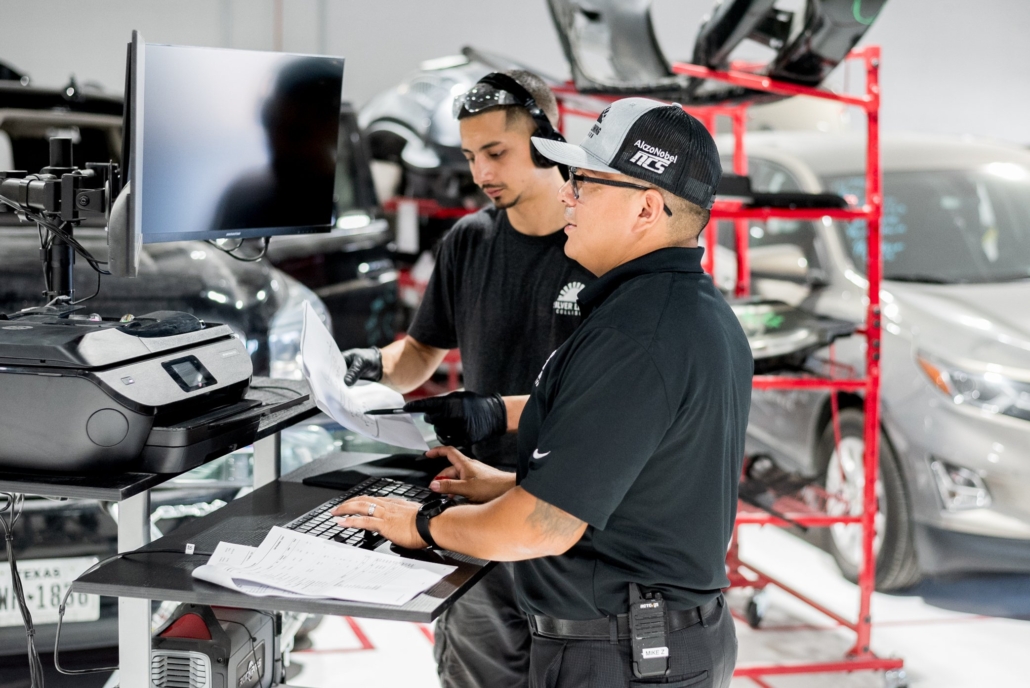
After an inspection, some insurers offer a cash settlement: they pay you the amount of their estimate, less your deductible, and you decide whether to repair the car. For a few hundred dollars of cosmetic damage on an older vehicle it can be a sensible choice. For most collision damage it leaves you short, because the insurer’s first estimate is written before teardown and routinely misses what a shop would find. Here is how to think about a cash-out, from Silver Lining Collision’s side of the counter.
How a cash-out works
The insurer inspects the vehicle, often from photos, writes an estimate, subtracts your deductible, and offers to pay the balance to you. You sign off, receive the payment, and the claim is closed. If you later take the vehicle to a shop, the shop finds additional damage, and the insurer may or may not reopen the claim for a supplement; policies and practices vary, and the longer the gap the harder it is.
Why the first estimate understates the repair
Photo and walk-around estimates capture visible damage. Hidden parts, required procedures, blending, scans and calibrations appear during teardown and are added by supplement. A cash-out based on the first estimate pays for the visible part and leaves the rest to you.
What you give up
- The supplement process: a shop’s documentation of hidden damage, approved by the insurer, is how the full repair gets paid. With a cash-out, that happens only if the claim is reopened.
- The repair: the vehicle keeps the damage, including anything behind the bumper or in the sensors that you cannot see.
- Rental coverage for the repair period, in most cases.
Lienholders and leases
If the vehicle is financed, the claim payment may be made out to you and the lender, and the lender may require proof of repair before releasing funds. Leased vehicles must be repaired to the lessor’s standards; a cash-out is usually not an option.
Effect on future claims and resale
Unrepaired damage becomes prior damage. In a later claim, the insurer will exclude it, and any new damage that overlaps the old area becomes an argument. At resale, visible damage lowers the price by more than the cash-out paid, and a history report may show the claim.
Safety and sensors
Cosmetic damage on a bumper can hide a misaligned radar or a damaged sensor. A cash-out on that bumper leaves a driver-assistance system in an unknown state.
When taking the money is reasonable
- Purely cosmetic damage on an older vehicle you plan to drive as is, with no sensors or safety components in the damaged area.
- Damage so minor that a repair would cost less than the deductible anyway.
- A vehicle you are about to sell as is, with full disclosure.
In those cases, get an independent estimate first so you know what you are accepting.
When to repair instead
- Any damage to a late-model vehicle.
- Any damage near sensors, lamps, structure or safety systems.
- A financed or leased vehicle.
- A vehicle you plan to keep or sell at full value.
If you already took one
A cash-out can sometimes be reopened. Take the vehicle to a shop for a full estimate including teardown if needed, and ask the shop to submit a supplement to the insurer with photos of the additional damage. Insurers vary in willingness, and the longer the gap and the more the vehicle has been driven, the harder it is. The settlement letter states any time limits. If the claim cannot be reopened, you have the original payment toward a repair you will pay the balance of, and the shop will tell you what that balance is before starting.
Get the real number first
Before accepting a cash-out, have the vehicle estimated by a shop that will tear down if needed. Silver Lining Collision’s Dallas, Arlington, Fort Worth and Houston shops provide estimates with no obligation. Call Dallas (214) 242-8727, Arlington (817) 618-2705, Fort Worth (817) 615-9575 or Houston (832) 991-8979, or contact us.
