Leased Car Accident: What the Lease Requires at Repair and at Return
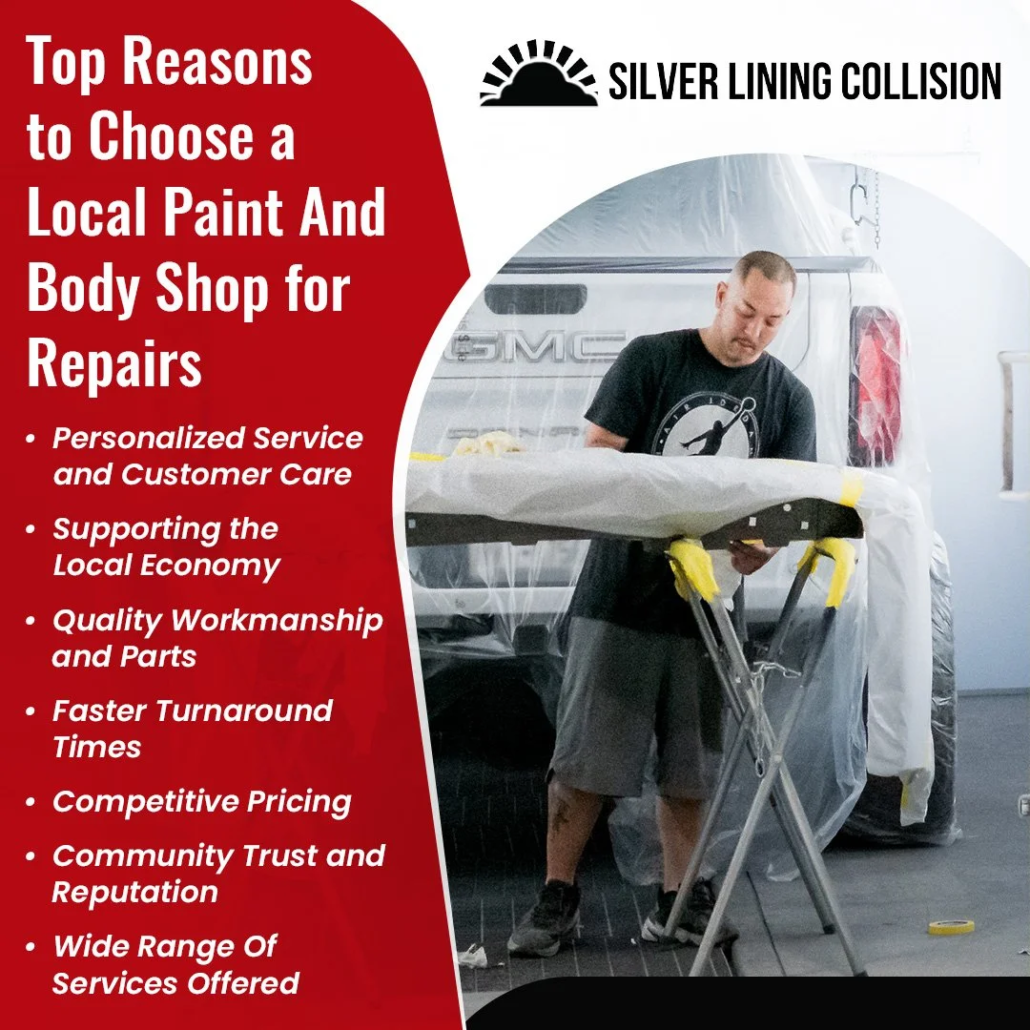
When a leased vehicle is in a crash, the repair has two customers: you, who drive it, and the leasing company, which owns it and will inspect it at the end of the term. Leases require the vehicle to be returned in good condition with proper repairs, and a repair that does not meet the standard becomes a charge at turn-in. Silver Lining Collision repairs leased vehicles to manufacturer procedures with OEM parts whenever possible, which is what leases expect. Here is what to know.
Insurance on a lease
Leases require full coverage, collision and comprehensive, usually with deductible limits and with the leasing company named as loss payee. Claim checks for larger repairs may be payable to both you and the lessor, which requires their endorsement; start that process early.
Repair standards in the lease
Most leases state that repairs must be made by a qualified facility, to manufacturer standards, and many specify OEM parts. The practical meaning:
- Repairs follow the manufacturer’s published procedures.
- Structural repairs are done as the procedure specifies, with the correct materials and methods.
- Parts are OEM, or the lease’s wording is checked before any non-OEM part is accepted.
- Scans and calibrations are performed and documented.
If an insurer proposes aftermarket parts on a leased vehicle, the lease is the reason to decline, and Texas law lets you.
The lease-end inspection
At turn-in, an inspector checks for damage beyond normal wear, mismatched paint, poor panel fit, and evidence of unreported or substandard repairs. A professional repair with proper color match and documentation passes; a cheap repair shows and is charged back at the lessor’s rates. Keep the repair invoice, parts list and photos to present at inspection.
Diminished value on a lease
The vehicle’s loss in value belongs to the owner, the leasing company. Some lessors pursue diminished value from the at-fault insurer; some charge the lessee at turn-in for the reduced value if the lease allows; most lease contracts address it. Read yours, and if the other driver was at fault, ask the lessor how it handles the claim.
Total loss on a lease
If the vehicle is totaled, the insurer pays the lessor the actual cash value. The lease payoff is often higher, and the difference is yours unless gap coverage is included in the lease, which it commonly is, or on your policy. Confirm which before you need it.
Reporting the accident to the lessor
Many leases require notifying the leasing company of an accident. It is a quick call, and it avoids a surprise at turn-in when the history report shows a crash.
Early termination
An accident does not end a lease. If you want out, the normal early-termination terms apply, and a repaired, documented vehicle is easier to return or transfer.
What we provide
A repair to manufacturer procedures, OEM parts whenever possible and always disclosed, scans and calibrations, paint matched and blended, a lifetime workmanship guarantee, and the complete file you will need at inspection.
What a lease-end inspector actually checks after a repair
Inspectors use a paint depth gauge to find refinished panels and look for color mismatch under their lights, check panel gaps and door alignment, look for overspray in jambs and on trim, and verify that lamps and glass are correct for the vehicle. A professional repair passes those checks; the inspector may note that a panel was refinished and move on. What draws charges is mismatched paint, misaligned panels, aftermarket parts where the lease required OEM, and unreported damage. The repair file is your evidence that the work was done properly.
Leased vehicle repairs at four locations
Silver Lining Collision repairs leased vehicles at our Dallas, Arlington, Fort Worth and Houston shops. Call Dallas (214) 242-8727, Arlington (817) 618-2705, Fort Worth (817) 615-9575 or Houston (832) 991-8979, or read about our certifications.

