Can a Bent Wheel Be Repaired, or Does It Have to Be Replaced?
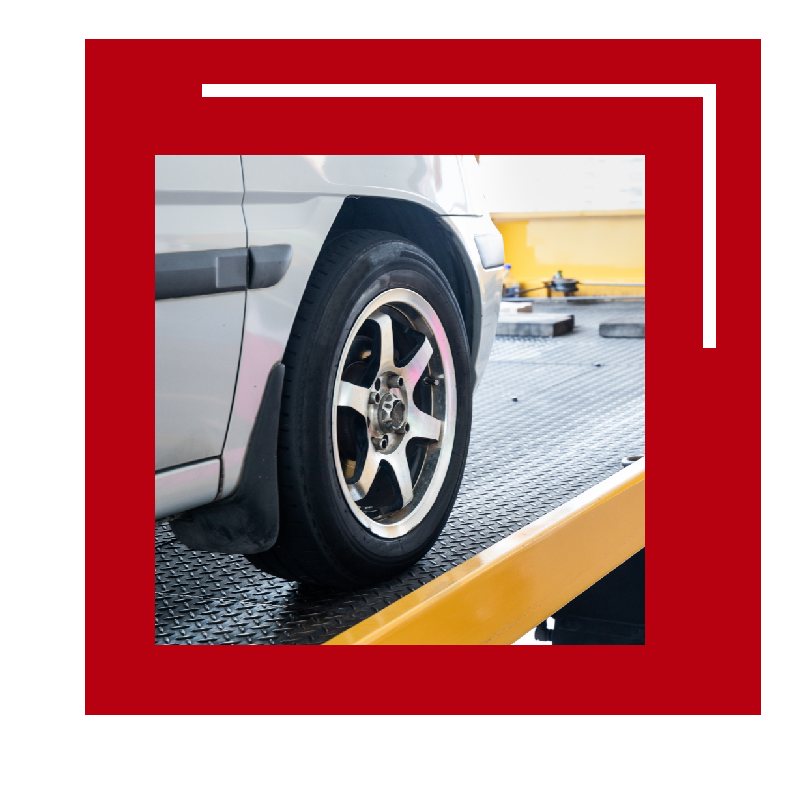
A damaged alloy wheel falls into one of three categories: cosmetic damage that can be refinished, minor runout that some manufacturers allow to be corrected, and structural damage, cracks, bends at the barrel or spokes, that calls for replacement. The line between the second and third is where safety lives, and manufacturers draw it conservatively. Here is how Silver Lining Collision evaluates wheels after a collision or a hard curb hit.
Types of wheel damage
- Curb rash: scraped and gouged finish on the outer lip. Cosmetic.
- Bent lip or barrel: usually from a pothole or curb strike; causes vibration and slow leaks.
- Cracks: in the barrel, at the spokes, or around the lug holes. Often hairline and hard to see.
- Spoke damage and runout: the wheel no longer spins true.
- Corrosion at the bead seat: leaks, common on older wheels, sometimes exposed after an impact.
Cosmetic refinishing
Curb rash and finish damage can be repaired and refinished: the damaged area is filled or machined, and the wheel is repainted or re-clear-coated to match. Properly done, it restores appearance without affecting strength. This is appropriate when there is no bend or crack.
Straightening and welding
Some wheel repair shops straighten bent barrels with hydraulic presses and heat, and weld cracks. Many vehicle manufacturers prohibit these repairs because heating and reshaping a cast alloy can leave it weaker than it looks, and a repaired wheel can fail later under load. Some allow limited runout correction within tight specifications. Our position follows the manufacturer: where the procedure prohibits welding or straightening, the wheel is replaced.
Why it is a safety issue
A wheel carries the vehicle’s weight, braking and cornering loads at highway speed. A crack that reopens or a weakened spoke fails suddenly. The savings from repairing a structurally damaged wheel are small against the consequences.
What the inspection involves
Wheels on a collision-damaged corner are removed and checked for runout, cracks and bead seat damage, and the tire is inspected for sidewall damage, which is itself a replacement condition. Tire pressure monitoring sensors in the wheel are checked and often replaced if damaged. The suspension and alignment on that corner are checked at the same time, because a hit hard enough to bend a wheel usually did more.
Insurance and wheels
On a collision or comprehensive claim, damaged wheels are replaced with new or, where the insurer proposes, reconditioned wheels. Be cautious with reconditioned wheels: a reconditioned wheel may have been straightened or welded, and manufacturers that prohibit those repairs prohibit those wheels. Texas law requires disclosure of non-OEM parts on an estimate and allows you to object. Ask what kind of wheel is being installed.
Matching
Replacing one wheel on a set with a different finish or wear level shows. Refinishing the others to match is a cosmetic option, not a requirement.
Tires
A tire that was on a bent or cracked wheel, or that hit the curb that did the damage, is inspected for sidewall bulges, cuts and bead damage. Betterment may be charged on a worn tire replaced under a claim, based on its remaining tread.
Wheels after any hard impact
If the car vibrates, pulls, or loses pressure slowly after hitting something, have the wheel checked. Bent wheels are not visible from the outside at low levels of runout.
Wheels handled as part of the repair
Silver Lining Collision inspects wheels, tires and suspension on every collision repair at our Dallas, Arlington, Fort Worth and Houston shops. Call Dallas (214) 242-8727, Arlington (817) 618-2705, Fort Worth (817) 615-9575 or Houston (832) 991-8979, or contact us.

