Repairing vs. Replacing a Bumper Cover: Sensors, Radar and Paint
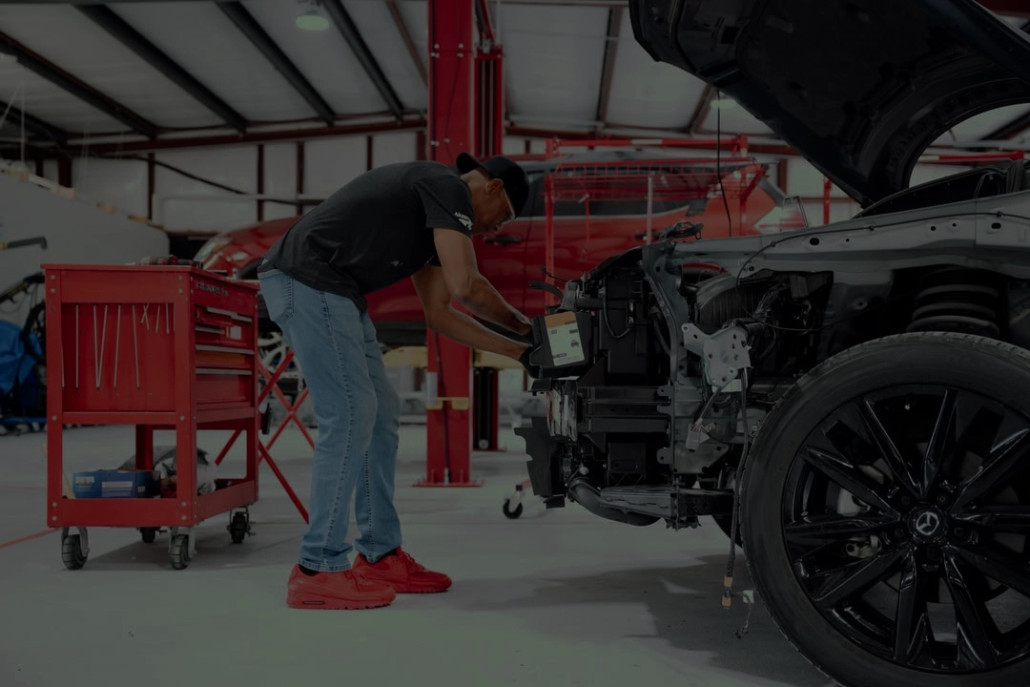
A scuffed bumper cover used to be a simple question: repair the plastic and repaint, or replace the cover and repaint. On a vehicle built in the last ten years the cover is also the housing for parking sensors, blind-spot and cross-traffic radar, cameras, and sometimes headlight washers and air curtains. Whether it can be repaired, and how it is painted, now depends on those systems. Here is how Silver Lining Collision makes the call.
What is behind the cover
- The energy absorber (foam or plastic) and the reinforcement bar, which do the crash work.
- Parking sensors mounted through the cover.
- Radar units for blind-spot monitoring, rear cross-traffic alert and adaptive cruise, mounted behind specific areas of the cover.
- Cameras and their brackets.
- Brackets, clips and tabs that locate the cover precisely to the body.
A photo of a scuffed corner tells you nothing about which of these were hit.
When a cover can be repaired
- Scuffs, scratches and small gouges in areas away from sensors and radar.
- Minor deformation that returns to shape with heat and has not cracked.
- Small cracks and torn tabs that can be plastic-welded or bonded per the manufacturer’s allowance.
Plastic repair, when permitted, is faster and keeps the original fit.
When replacement is required
- Cracks or repairs in the areas in front of radar units. Many manufacturers prohibit repairs and even limit paint thickness in the radar zone, because repair material and extra paint distort the signal.
- Damage at sensor mounting holes.
- Broken mounting tabs that locate the cover, when the manufacturer does not allow tab repair.
- Deformation that will not return to shape, which also usually means the absorber and reinforcement behind it are damaged.
The manufacturer’s repair procedure and position statements decide, and we follow them.
Paint and radar
Refinishing a cover over a radar unit has limits: specific paint thickness, no metallic-heavy custom finishes beyond the manufacturer’s specification, and in some cases no repair material at all in that zone. Repainting a cover with a blind-spot radar behind it is done to those limits, and the system is calibrated afterward.
What else gets replaced
Absorbers and reinforcement bars that were compressed are replaced; they are single-use crash components. Sensors that were struck are tested and often replaced. Clips and fasteners are usually one-time-use. The estimate should list them.
Calibration after bumper work
Any time a radar or camera is removed, replaced, or its mounting disturbed, the manufacturer requires calibration, static with targets, dynamic on a drive cycle, or both. A post-repair scan confirms the systems are reporting correctly. Skipping this leaves a blind-spot system that may be aimed into the next lane or not at all.
Aftermarket covers
Non-OEM covers can differ in thickness, material and the exact position of sensor holes, which affects radar and sensor performance. Many manufacturers specify OEM covers on vehicles with these systems, and Texas law requires disclosure if an insurer’s estimate assumes an aftermarket one.
What to check after any bumper repair
- Panel gaps and alignment to the fenders and tailgate or hood.
- Parking sensors beep correctly when approaching an object.
- Blind-spot and cross-traffic warnings function on a drive.
- The post-repair scan report shows no faults.
What the manufacturer’s position statements say
Most vehicle manufacturers publish position statements on bumper cover repair and refinish on vehicles with radar and sensors, and they are specific: some prohibit any repair within a defined area around a radar unit, some limit total paint film thickness in that area, some require replacement if the cover is cracked at all, and nearly all require calibration after the cover is removed. These statements are part of the repair procedure and are what a shop attaches to the estimate to justify replacement over repair. Ask to see the one for your vehicle; it settles the repair-or-replace question without opinion.
Bumper repairs done to procedure
Silver Lining Collision repairs and replaces bumpers with scanning and calibration included, OEM parts whenever possible, and a lifetime workmanship guarantee. Call Dallas (214) 242-8727, Arlington (817) 618-2705, Fort Worth (817) 615-9575 or Houston (832) 991-8979, or read about our vehicle calibration services.

