 https://slcollision.com/wp-content/uploads/2025/06/2023-05-23.png
305
458
Silver Lining Collision
https://slcollision.com/wp-content/uploads/2025/04/SLC-LOGO.svg
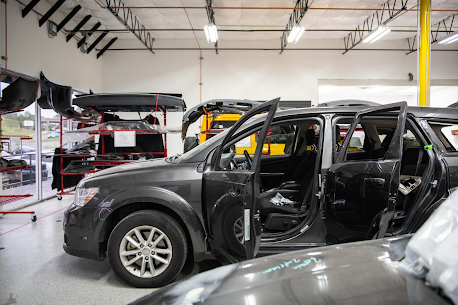
Silver Lining Collision2026-10-13 16:48:362026-10-13 16:48:36Hybrid and Electric Vehicle Collision Repair: What Changes When There’s a High-Voltage Battery
 https://slcollision.com/wp-content/uploads/2025/04/vehicle-painting.jpg
500
750
Silver Lining Collision
https://slcollision.com/wp-content/uploads/2025/04/SLC-LOGO.svg
Silver Lining Collision2026-10-12 13:38:162026-10-12 13:38:16How Long Does Paint Take to Cure, and When Can You Wash a Repaired Car?
 https://slcollision.com/wp-content/uploads/2025/04/service-front-bumper.webp
720
1080
Silver Lining Collision
https://slcollision.com/wp-content/uploads/2025/04/SLC-LOGO.svg
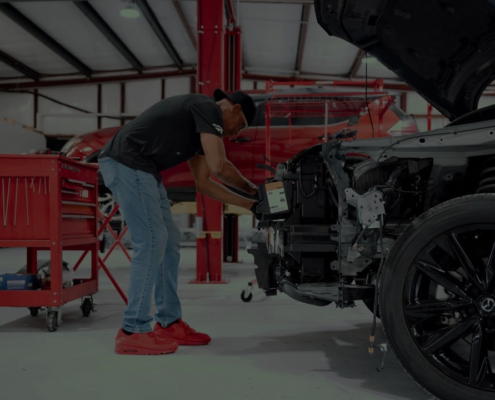
Silver Lining Collision2026-10-09 14:53:252026-10-09 14:53:25Repairing vs. Replacing a Bumper Cover: Sensors, Radar and Paint
 https://slcollision.com/wp-content/uploads/2025/04/Z92_0428.jpg
334
500
Silver Lining Collision
https://slcollision.com/wp-content/uploads/2025/04/SLC-LOGO.svg
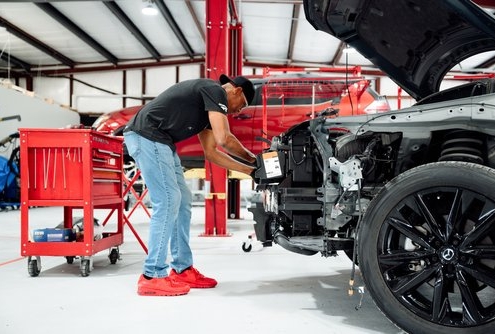
Silver Lining Collision2026-10-08 16:54:012026-10-08 16:54:01Aluminum Body Panels: Why They Need Different Tools and Training
 https://slcollision.com/wp-content/uploads/2025/04/car-on-tow-truck-1.webp
669
800
Silver Lining Collision
https://slcollision.com/wp-content/uploads/2025/04/SLC-LOGO.svg
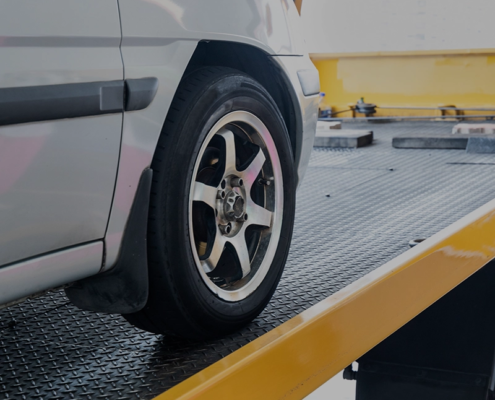
Silver Lining Collision2026-10-07 14:52:092026-10-07 14:52:09Where Your Car Goes After a Crash: Tow Yards, Storage Fees and Getting It to the Shop You Choose
 https://slcollision.com/wp-content/uploads/2025/05/474936169_1284861549505612_3797519598121006873_n.jpg
1800
1440
Silver Lining Collision
https://slcollision.com/wp-content/uploads/2025/04/SLC-LOGO.svg
Silver Lining Collision2026-10-06 14:32:402026-10-06 14:32:40Is Hail Damage a Comprehensive Claim, and Does It Count Against You?
 https://slcollision.com/wp-content/uploads/2025/04/Silver-Lining-Collision-Houston-3-v2.jpg
1082
1082
Silver Lining Collision
https://slcollision.com/wp-content/uploads/2025/04/SLC-LOGO.svg
Silver Lining Collision2026-10-05 15:53:562026-10-05 15:53:56Gap Insurance After a Total Loss: What It Covers and What It Doesn’t
 https://slcollision.com/wp-content/uploads/2025/04/Silver-Lining-Collision-9-ver-2.jpg
1080
1080
Silver Lining Collision
https://slcollision.com/wp-content/uploads/2025/04/SLC-LOGO.svg
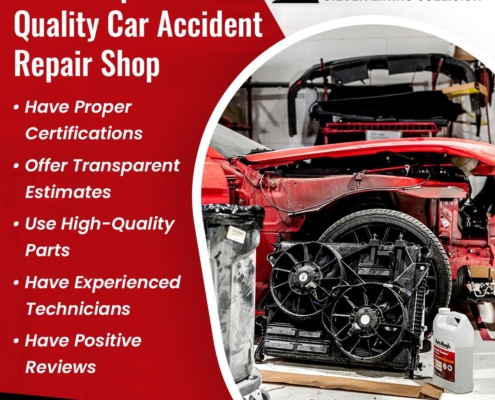
Silver Lining Collision2026-10-02 15:03:352026-10-02 15:03:35What Is Betterment, and Why Is It on My Collision Estimate?
 https://slcollision.com/wp-content/uploads/2025/04/car-on-tow-truck.webp
669
800
Silver Lining Collision
https://slcollision.com/wp-content/uploads/2025/04/SLC-LOGO.svg
Silver Lining Collision2026-10-01 14:18:592026-10-01 14:18:59How Long Does Insurance Pay for a Rental Car During Collision Repairs?
 https://slcollision.com/wp-content/uploads/2025/06/2024-05-15.jpg
305
457
Silver Lining Collision
https://slcollision.com/wp-content/uploads/2025/04/SLC-LOGO.svg
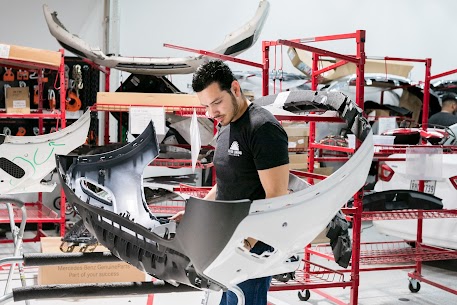
Silver Lining Collision2026-09-30 13:58:342026-09-30 13:58:34OEM vs. Aftermarket Parts: What Texas Requires Insurers to Tell You